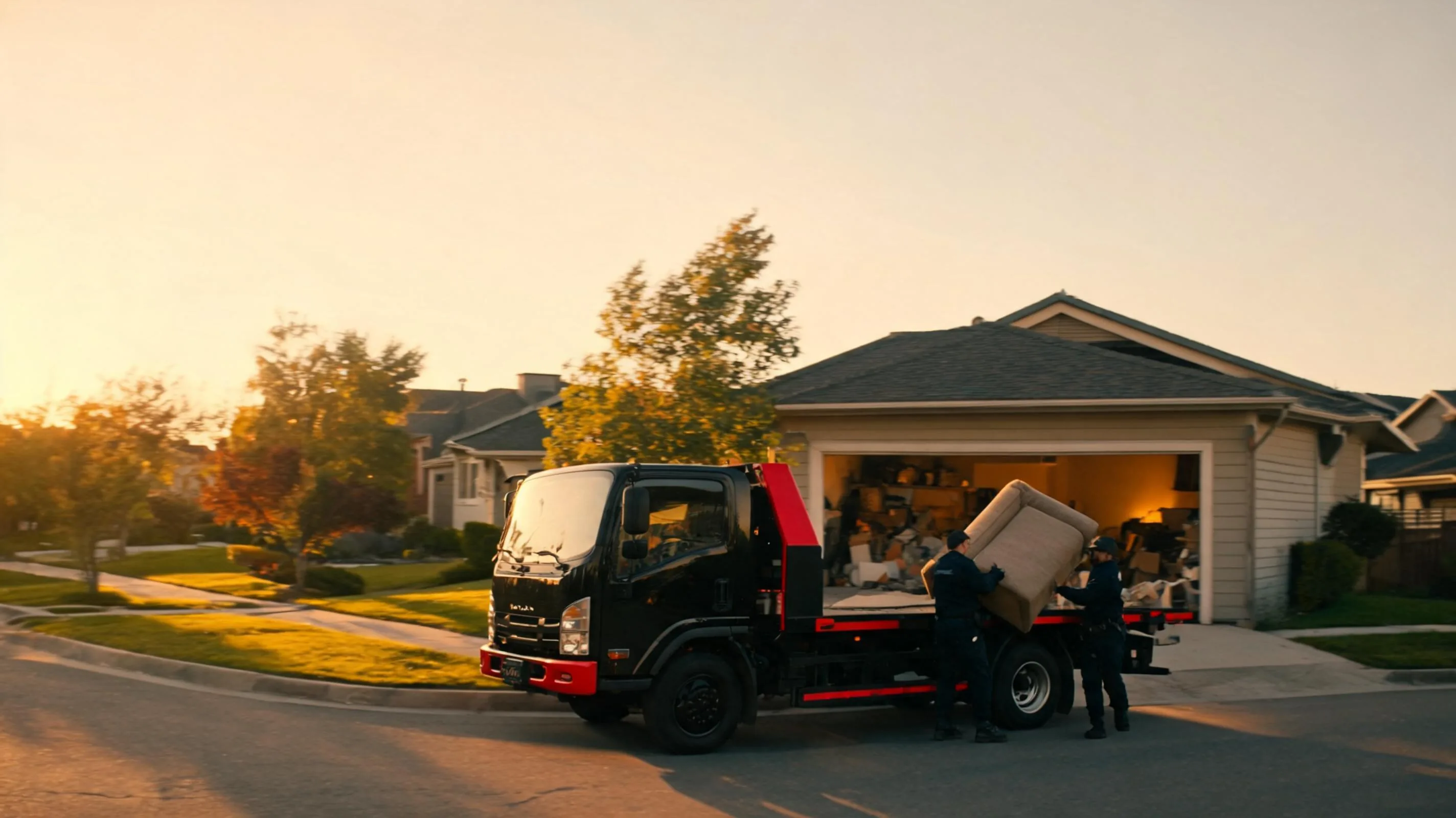
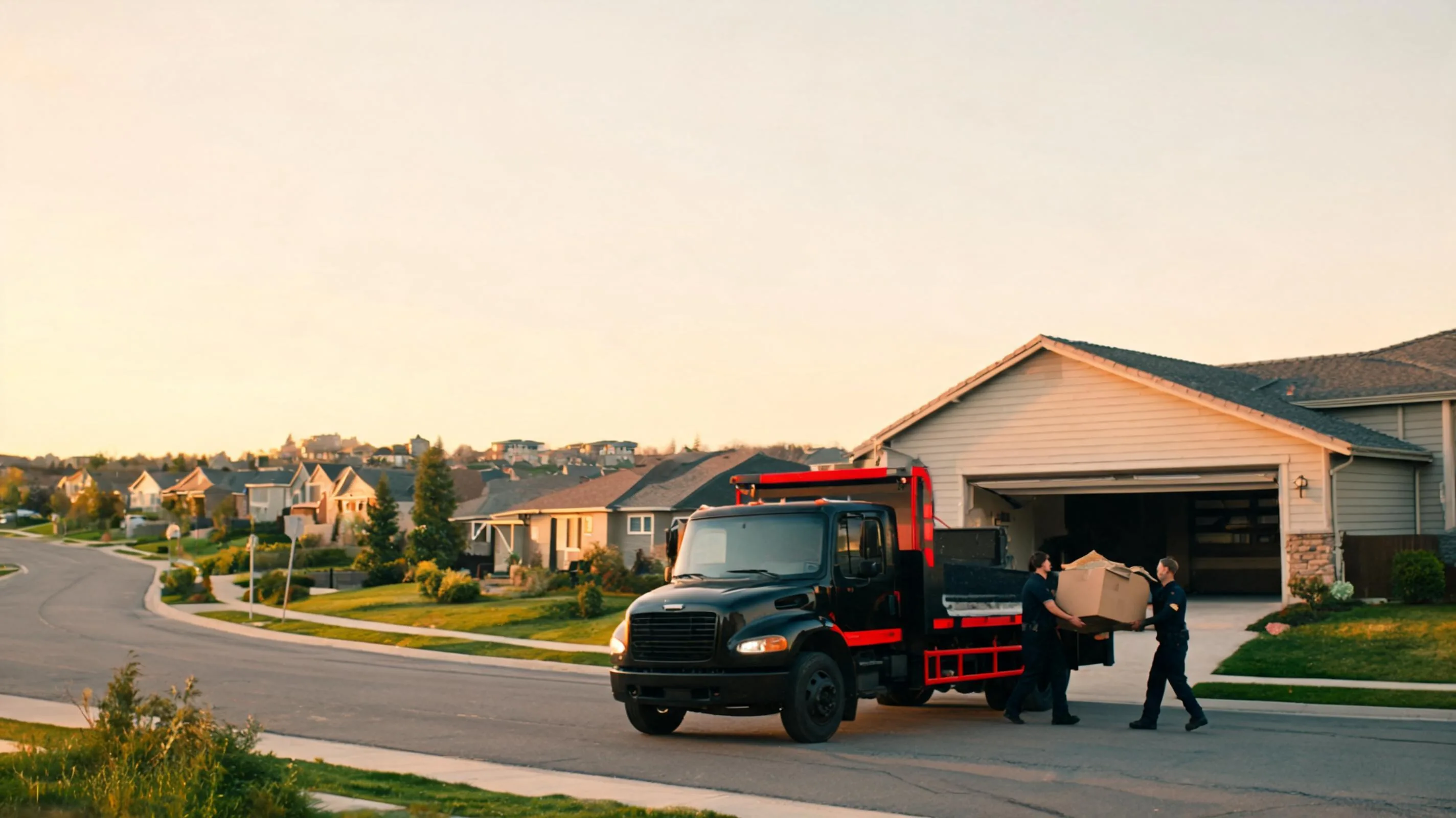
AAR Junk Removal's 90-Day Calgary Campaign: What the Numbers Showed
A look at how AAR Junk Removal runs recurring StreetDrop zones across Calgary NW and NE — the cadence, the call volume, and what the 90-day spread looks like against Google Ads benchmarks.
AAR Junk Removal has been running StreetDrop zones in Calgary since before we had a name for the product. They were the first operator we built the campaign model around — which means the CPL math you see on our junk-removal page is not a projection. It comes from a working account with real inbound call data across multiple months.
This post walks through what the first 90 days of that relationship produced, what surprised us, and what any Calgary junk-removal operator can take from it.
We will not publish AAR's private revenue numbers. What we can share is the structural data: call volume, response windows, cost comparisons, and route geometry. If you want the AAR-specific walkthrough, ask for it on the intro call.
What the first zone looked like
AAR's first StreetDrop zone targeted a Calgary NW neighbourhood — a mix of 1970s–1990s bungalows with attached garages and enough mature-homeowner density to suggest high cleanout intent. The offer on the hanger was straightforward: same-day truckload, flat rate, one phone number, book by Saturday.
Zone size: 4,000 doors. Delivery window: Wednesday–Thursday. Drop timing: first week of April, landing right at the post-thaw inflection.
That call range sits at the conservative end of our 8–25 benchmark for Calgary junk-removal hangers. April timing was right, but the offer on the first version of the hanger did not have a deadline. That single change — adding "book by Saturday" — produced a measurable uplift on the month-two drop.
How the numbers compare to search ads
AAR was running a modest Google Ads presence when they started the StreetDrop campaign. Not a heavy budget — a few hundred dollars a month targeting "Calgary junk removal" and "garbage removal Calgary." Here is what that comparison looked like in the first 90 days:
| Channel | Spend (90 days) | Leads | CPL |
|---|---|---|---|
| Google Ads (non-branded) | ~$600 | 11–16 | $38–$55 |
| StreetDrop (3 zones) | $1,050 | 35–55 | $19–$30 |
But the more important metric was not the CPL. It was the call quality. Search leads come in scattered — one in Ranchlands, one in Panorama Hills, one in Forest Lawn. Door hanger leads come from the zone you targeted. AAR's hanger calls were routing-ready out of the inbox: they were booking jobs on the same streets the hanger had walked. Google was generating leads; StreetDrop was generating route clusters.
What changed in months two and three
Month two added a second zone, adjacent to the first. That adjacency was intentional — the goal was block overlap so that the routing density from zone one would compound with zone two. A truck running jobs in both zones on the same day can string five stops in a tight polygon instead of criss-crossing the city.
By month three, two things had happened:
- Offer iteration. AAR switched from a flat-rate full-truck price to a tiered "from $149" with the flat truck offer as the anchor. The lower entry point generated more calls; the close rate on actual bookings stayed flat because most callers had a full truckload anyway. Net effect: more inbound volume at the same conversion rate.
- Zone rotation. Instead of re-dropping zone one in month three, AAR rolled to a third zone — a new neighbourhood that shared a border with zone two. This prevents the "we've already seen this hanger" fatigue that starts to dampen response on the third drop to the same doors.
The three-zone cadence — one new zone per month, each adjacent to the last — builds a carpet pattern across a quadrant. By the end of a year of monthly drops, a significant portion of Calgary NW has seen an AAR hanger. That coverage has a compounding effect on brand recall that neither Google search nor single-drop hanger campaigns generate.
What the GPS proof showed the operator
Every StreetDrop drop produces a GPS breadcrumb trail for every street walked. AAR's operator runs a quick audit of that trail at the end of each campaign: open the tracking portal, overlay the GPS map against the inbound call list, check that the streets with the most call density are actually streets that were walked.
This sounds obvious. It's actually rare. Most physical-delivery products — Canada Post EDDM, flyer distributors, box-stuffers — cannot show you which specific streets were walked on which days. They give you a postal-route affidavit at best.
Watch a sample drop
A sample drop on real Calgary streets, on the page our clients watch.
The GPS trail also lets AAR answer a franchisor's question that previously had no clean answer: "How do we know the hangers actually got delivered?" The answer is now a link to a map with 60+ breadcrumbs per crew per day, timestamped, with street-level precision.
What this means for your first campaign
If you are running Calgary junk removal and looking at this as a model, three things carry over regardless of your zone or offer:
- Add a deadline to the hanger. "Book by Saturday" is the single cheapest conversion improvement you can make — no reprint, just a text change at design step.
- Pick zones adjacent to your existing route, then expand outward. The routing-density effect compounds. Scattered drops across multiple quadrants waste the benefit.
- Log every inbound call with a source question. "How did you hear about us?" takes three seconds and gives you the data to measure your own CPL at 30 days, not just trust ours.
For a full walkthrough of the zone options and pricing, the StreetDrop junk-removal page has the current Calgary zone map and the bundle details. And if you want to know more about how AAR structures their campaign before committing to the first drop, ask us on the intake form — that's exactly the conversation the intro call is for.