Christmas Light Installation: The Calgary Booking Window Closes in October
Holiday light installs are booked in October and installed in a two week weather window in November. For gutter and window crews, it is the highest margin add-on available, and the drop has to happen before anyone thinks about Christmas.
Holiday lighting is the best add-on in the exterior services trade and the one most Calgary operators leave on the table. It uses equipment you already own, it fills the dead weeks between gutter season and snow season, it pays well, and the customer comes back every single year without being re-sold.
It also has the narrowest and least forgiving calendar of anything you do. Miss the booking window and there is no recovering it, because the season does not extend.
The calendar is the whole business
Work backwards from the physical constraint.
Installation has to happen before deep cold and before ice. You cannot safely put crews on a Calgary roofline in December. The practical install window runs from roughly mid October to the third week of November, and any given year a cold snap can shorten it without warning.
Which means the sale has to close in September and October. A serious operator is fully booked before the first install goes up.
Which means the marketing has to land in late September. By the time a homeowner sees a neighbour's lights going up, every good installer in the city is booked out, and that homeowner becomes next year's customer at best.
Why this is a gutter and window crew's business
If you already do eavestrough cleaning or exterior window work, you are closer to this than any dedicated lighting company:
- Same equipment. Ladders, roof access, harnesses, and crews already comfortable working at height on residential rooflines.
- Same customer. Detached homes with owners who already outsource exterior maintenance and have already paid you once.
- Perfect calendar fit. Fall gutter season winds down exactly as light installs begin. You are filling weeks that currently pay nothing.
- The bundle sells itself. Gutters cleaned and lights hung on one visit is one trip, one setup, one ladder, two invoices. The customer saves a scheduling headache and you nearly double revenue per site visit.
That bundle is the strongest offer you can put on a door in September, and it is far more persuasive than either service sold alone.
The recurring revenue nobody counts
A holiday lighting customer is not a job, they are an annuity, and this is the part that changes how much you should be willing to spend to get one.
- Install in November, takedown in January. Two billable visits from one sale.
- Storage. Many operators store the customer's lights over the year for a fee, which is revenue for occupying shelf space and, more importantly, makes leaving you actively inconvenient.
- They rebook. Holiday lighting has unusually high year over year retention, because the alternative is climbing a ladder in November, which is exactly why they hired you.
- The lights themselves. Whether you sell, lease, or install customer-owned product, the first year sets the terms for every following year.
Budget your acquisition cost against several seasons of that, not against one install. Operators who price marketing against a single November job consistently underspend on the best recurring customer in their book.
What goes on the card
Five things, and the first one is not optional in this trade:
- Insurance and safety, stated plainly. This is roof work at height in winter. Homeowners know it and it is the top unspoken objection. Say you are insured and that your crews are trained for roof work.
- What the price includes. Install, takedown, and storage as a single seasonal package removes the fear of surprise January billing. Ambiguity here kills conversion.
- A booking deadline. "Book by October 15" is not a fake urgency device in this trade, it is literally true, and saying so is what makes people act in September.
- The bundle, if you offer gutters or windows. Cleaned and lit on one visit.
- A photo of real work. Your own roofline, at dusk, from the street. Stock imagery reads as stock imagery.
Where to drop
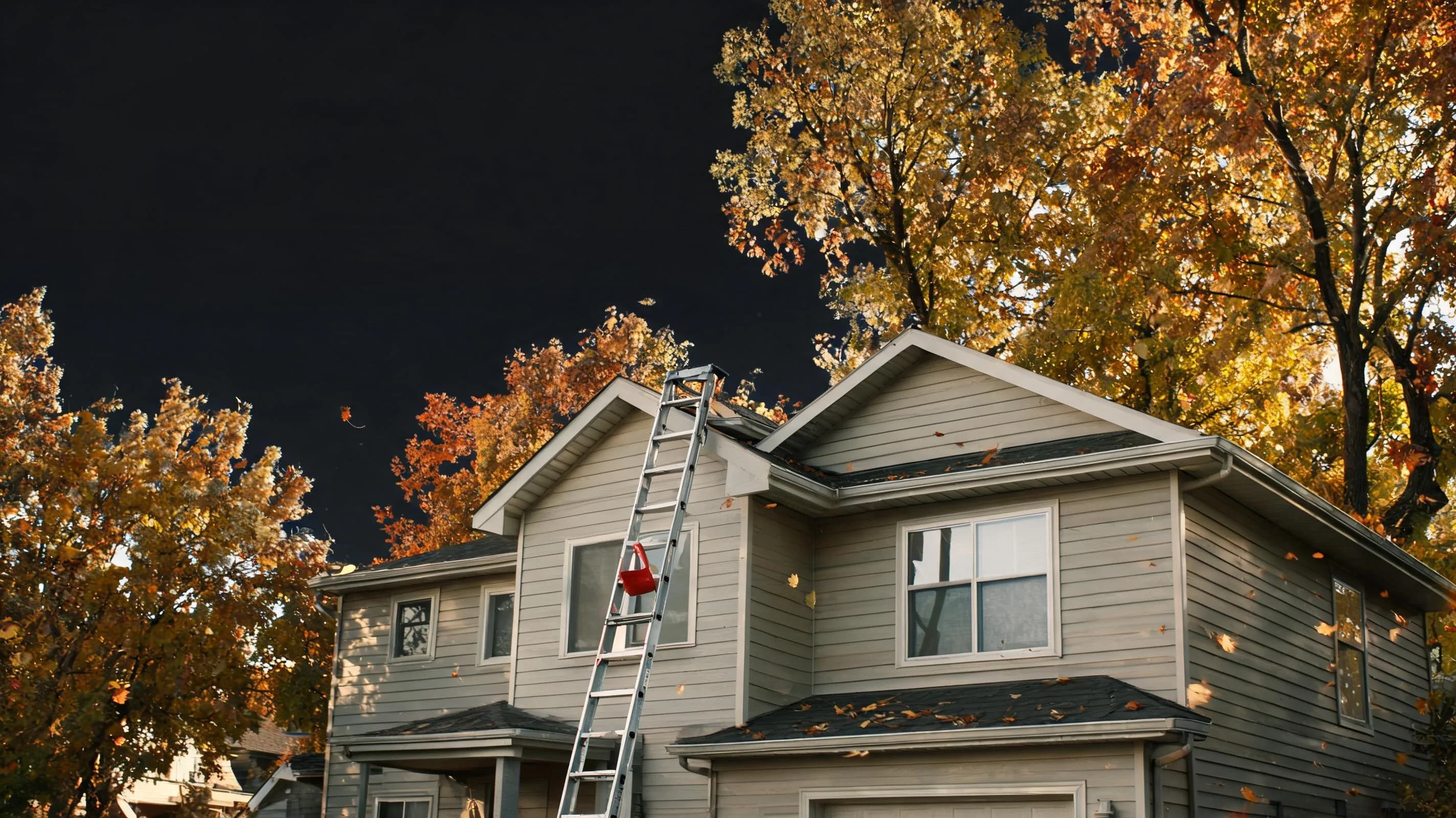
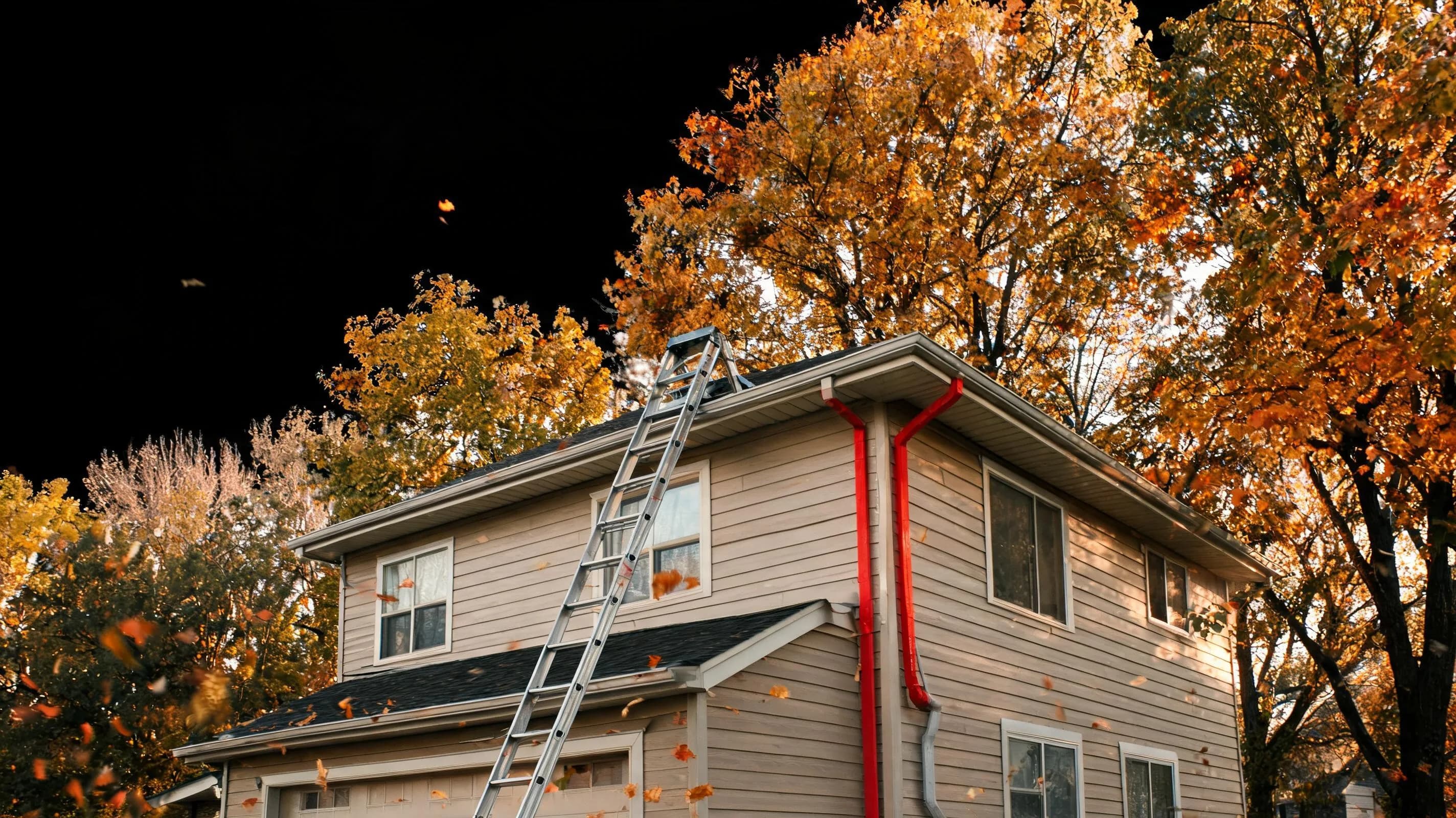
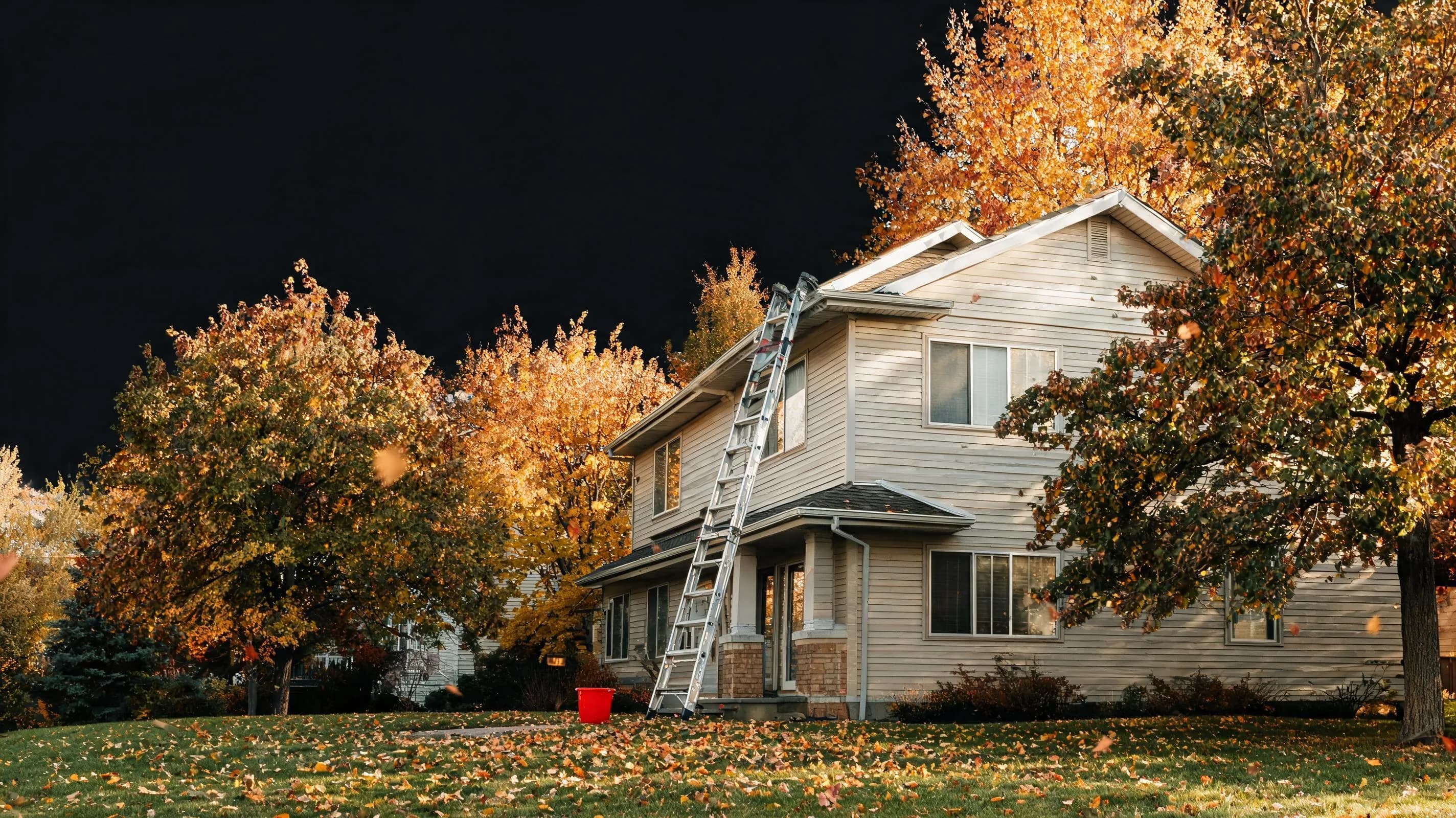
Target the physical characteristics that make a house worth lighting: two storey detached homes with visible rooflines, peaks, and street presence. Communities where the houses face the street and neighbours can see each other's frontage outperform, because holiday lighting has an obvious and well documented neighbour effect. One lit house on a block produces enquiries from the block.
That effect makes tight, contiguous coverage worth more here than in almost any other trade. Scattered drops across three quadrants waste it. Saturating a few connected streets sets off the comparison.
Pricing
Per zone, per campaign, plus 5% GST, covering design, print, and GPS-tracked delivery.
| Ad slot | 1 zone | 2 zones | 3 zones | 4+ zones |
|---|---|---|---|---|
| Quarter page | $400 | $375 | $350 | $325 |
| Half page | $700 | $650 | $600 | $550 |
| Full page | $1,400 | $1,300 | $1,200 | $1,100 |
| Double page (entire front and back) | $2,900 | $2,175 | $2,050 | $1,925 |
A Calgary zone is roughly 4,000 homes.
Every route is GPS tracked with timestamped photos, which matters on a campaign this calendar-sensitive. If the drop is supposed to be on doors by the first of October, you should be able to confirm that it was rather than find out in November.
Watch a sample drop
A sample drop on real Calgary streets, on the page our clients watch.
Related reading on the adjacent seasonal windows: fall gutter cleaning door hangers and eavestrough and window seasonal timing in Calgary.
The short version
Installs happen in a two week weather window in November, bookings close in October, so the card has to be on the door in late September, months before anyone feels festive. If you already clean gutters or windows you have the ladders, the crews, and the customers, and the combined offer is the strongest thing you can sell that month. Price your marketing against several seasons of a customer who rebooks every year, because that is what you are actually buying.