Vole Damage Season: The Snowmelt Door Hanger Window Calgary Pest Companies Miss
Snowmelt reveals vole damage on Calgary lawns in a two week window every spring. Here is how pest control companies time door hangers to that moment.
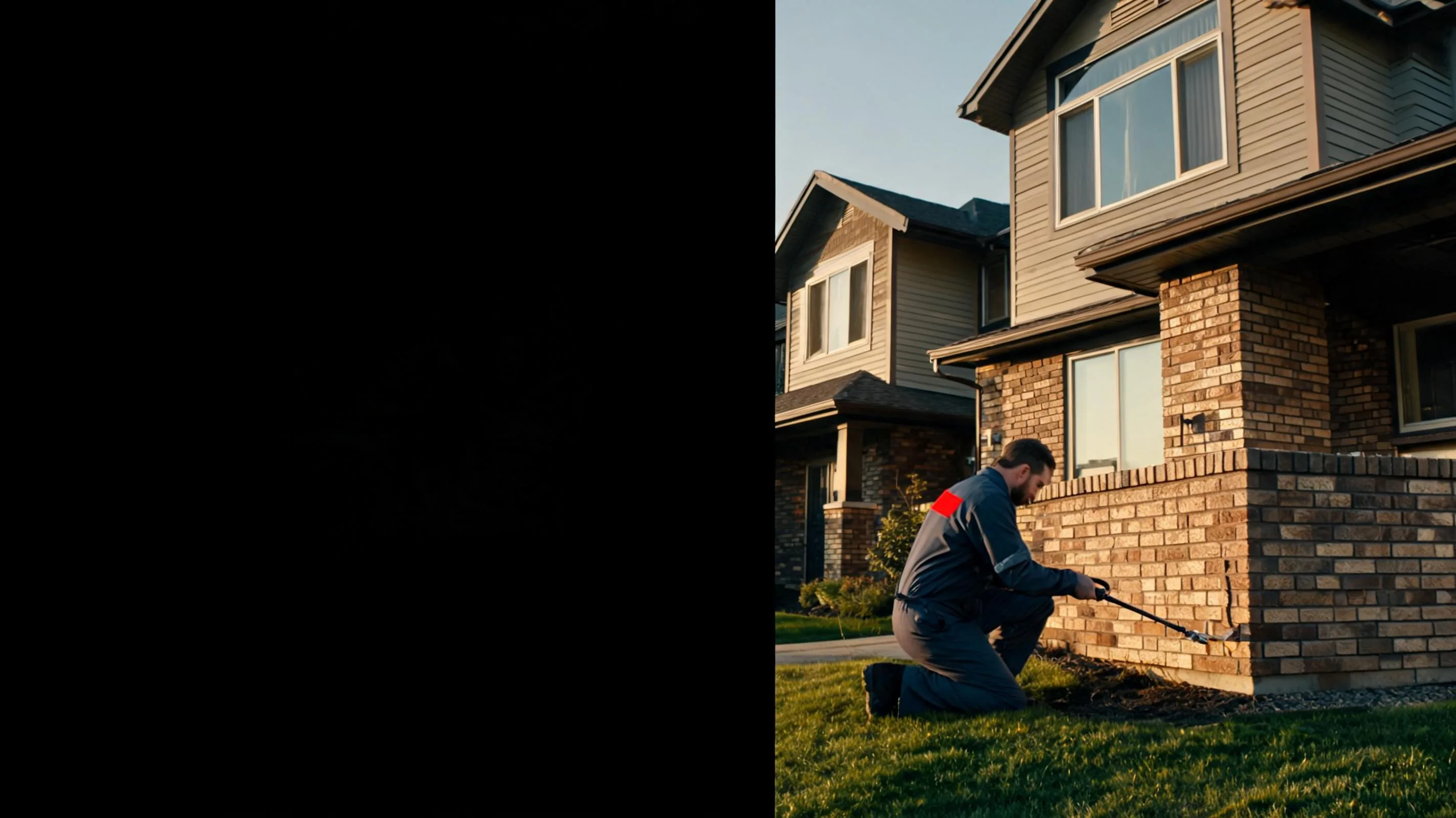
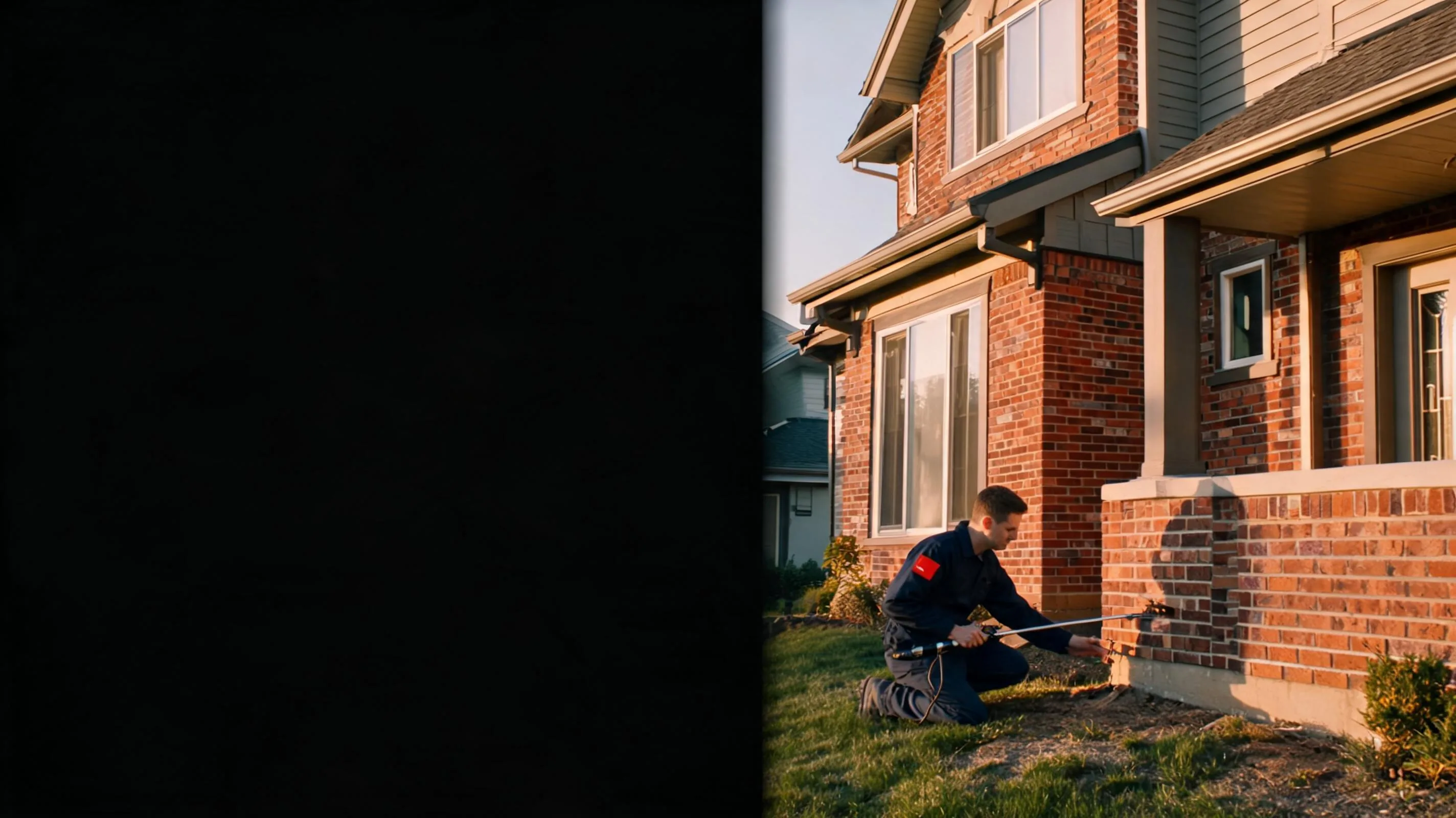
Every Calgary spring runs the same script. The snow pulls back over a couple of warm weeks, and homeowners walk out to find the lawn laced with shallow winding trails, chewed turf, and dead runways of clipped grass. That is vole damage, and in Calgary it gets discovered on thousands of lawns inside the same short window: the two or three weeks right after yard-level snowmelt.
Almost no pest company markets to that moment. The calls scatter to whoever Google happens to serve, and the trade's single most predictable spring demand spike goes unclaimed. This post covers what the homeowner actually sees at melt, how to time a March-April door hanger drop to it, and how to turn one panicked spring call into a two touch annual account.
What vole damage looks like at snowmelt
Voles do not hibernate. They spend the Calgary winter active in the gap between the snowpack and the grass, feeding on turf the whole time. By the time the snow melts, the damage is already done. The homeowner sees it all at once:
- Surface runways. Winding channels an inch or two wide, mowed down to bare crowns, criss-crossing the lawn like a road map.
- Chewed turf and dead patches. Grass clipped to the soil line along every runway, often with small piles of clippings and droppings.
- Girdled shrubs and young trees. Bark gnawed off at the base, hidden under the snow line all winter. This is the damage that actually kills plants.
- Burrow openings. Clean holes about the size of a loonie, no soil mound, usually near fence lines, deck skirting, or garden edges.
Most homeowners have never heard the word vole. They think mice, or moles, or grubs. They take a photo, post it in the community Facebook group, and get five conflicting answers. A door hanger that names the problem in one line, something like "Those trails in your lawn are voles, and they are still in the yard," lands as a diagnosis, not an ad.
The March-April drop window
Calgary melt is chinook-jagged, but the reveal that matters is yard-level snow clearing off lawns for good, and that concentrates in mid March through mid April. Each neighbourhood gets a discovery window of roughly two weeks: snow gone, damage visible, homeowner alarmed, nothing green enough yet to hide it. Once the lawn greens up in May, the panic fades even though the voles have not gone anywhere.
Timing the drop is straightforward:
- Book in February. You want print done and routes queued before the first sustained melt, not after.
- Drop as lawns clear, not as streets clear. Roads go bare weeks before lawns do. The trigger is grass showing.
- Pick zones that back onto habitat. Voles overwinter best where cover is thick: greenbelts, ravines, storm ponds, naturalized parks, mature communities with heavy shrub beds. Zones bordering green space out-pull open new suburbs for this pest.
- Sequence south before north. South-facing and wind-exposed communities melt out first. If you run two zones, stagger them a week or two apart to ride the melt line across the city.
This slots directly into the spring schedule we laid out in the ant and wasp hanger calendar: voles are the first drop of the year, before ants wake up.
The math on one zone
A Calgary StreetDrop zone is roughly 4,000 homes, designed, printed, and hand-delivered by our own trained couriers on GPS-tracked walking routes. Conservative numbers, typical for the trade:
| Line item | Number |
|---|---|
| Half page hanger, one Calgary zone, about 4,000 homes | $700 plus GST |
| Typical one time vole treatment ticket | $150-$300 |
| Typical recurring rodent program, per year | $400-$800 |
| Treatments needed to cover the drop at a $250 ticket | 3 |
Three jobs from 4,000 doors covers the spend, and every job past that is margin. The real prize is the recurring column: a spring vole call that converts to an annual rodent program is worth several drops on its own, which is the same retention math we walked through in recurring pest revenue vs Google Ads.
Pair the treatment with a lawn repair partner
Vole control fixes the cause. It does not fix the lawn. Runway damage needs raking, topdressing, and overseeding, and that is lawn care work, not pest work. Handing the homeowner a repair referral closes the loop and makes you the operator who solved the whole problem.
Print the partner's name on the hanger or on your leave-behind after treatment. Lawn operators are working the same neighbourhoods in spring anyway.
The fall prevention hanger
Spring is the reactive sale. Fall is the prevention sale, and it is easier to deliver on:
- Final mow short, so voles lose their winter cover.
- Pull mulch back from tree trunks and install trunk guards before snow.
- Clear thatch and leaf piles along fence lines.
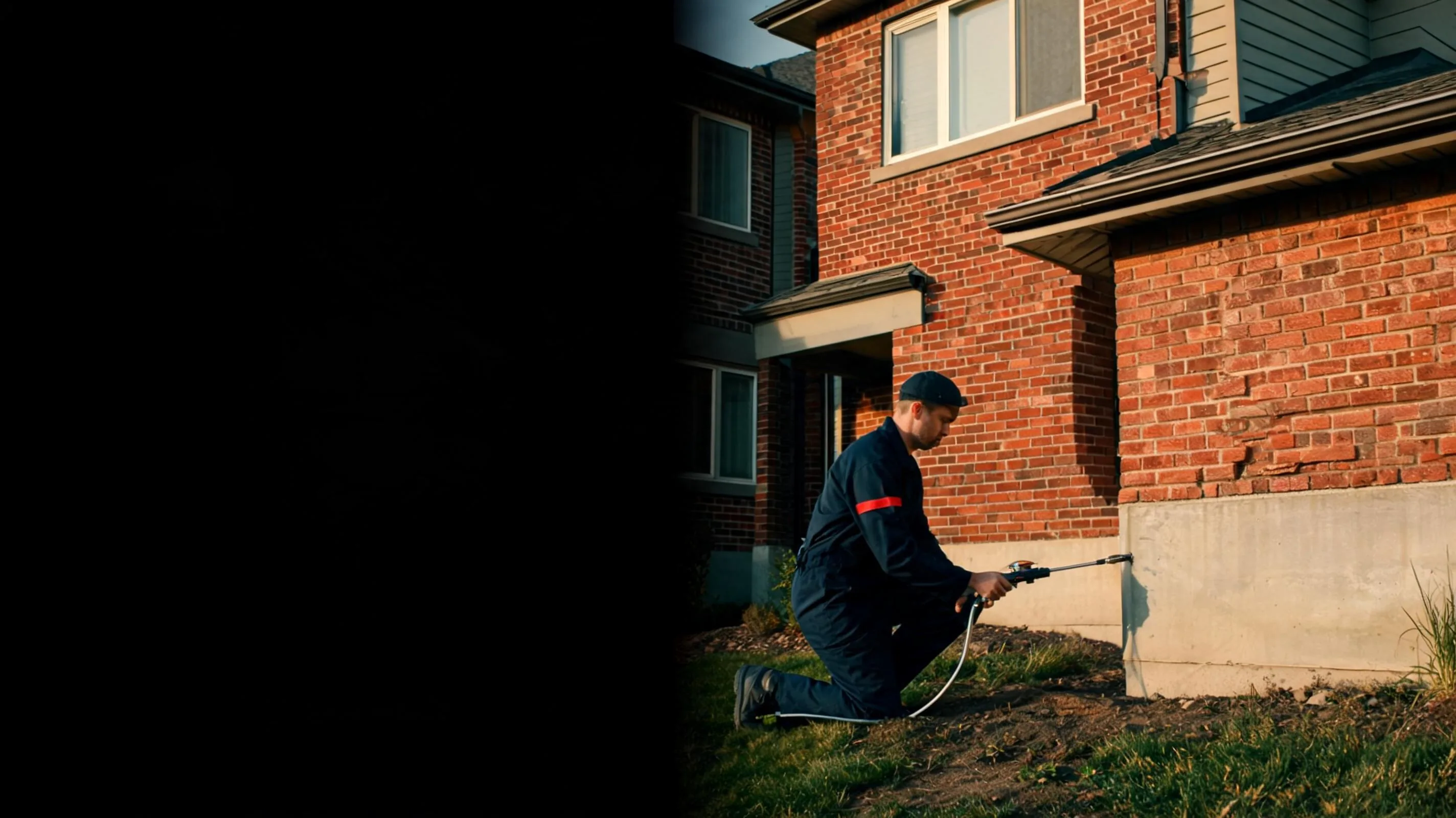
- Exterior bait and exclusion before the snow seals everything in.
A September or October hanger with that checklist positions you as the company that stops next spring's damage instead of billing for it. It also lands in the same window as fall mouse pressure, which we covered in the September mouse migration drop calendar, so one fall drop can carry both messages.
Two drops a year, March and September, and the vole customer becomes an annual account instead of a one time panic call.
Proof the walk happened inside the window
A two week window leaves no room for a distributor who claims the route was walked and cannot show it. Every StreetDrop campaign includes GPS-tracked routes and a live tracking link, so you can watch coverage street by street while the melt is still on the ground. The $125 Enhanced GPS Report adds a per-street heat map and timestamped photos, delivered the day after distribution.
Watch a sample drop
A sample drop on real Calgary streets, on the page our clients watch.
If you run pest control in Calgary or Red Deer, the vole window is the cheapest predictable demand spike on your calendar, and you are reading this early enough to plan for it. That is the point.